Acid Protease for Ethanol Fermentation
Bulk acid protease for distilleries and fuel-ethanol plants: free the amino nitrogen locked in grain protein, so your yeast starts sooner, ferments faster and finishes cleaner.
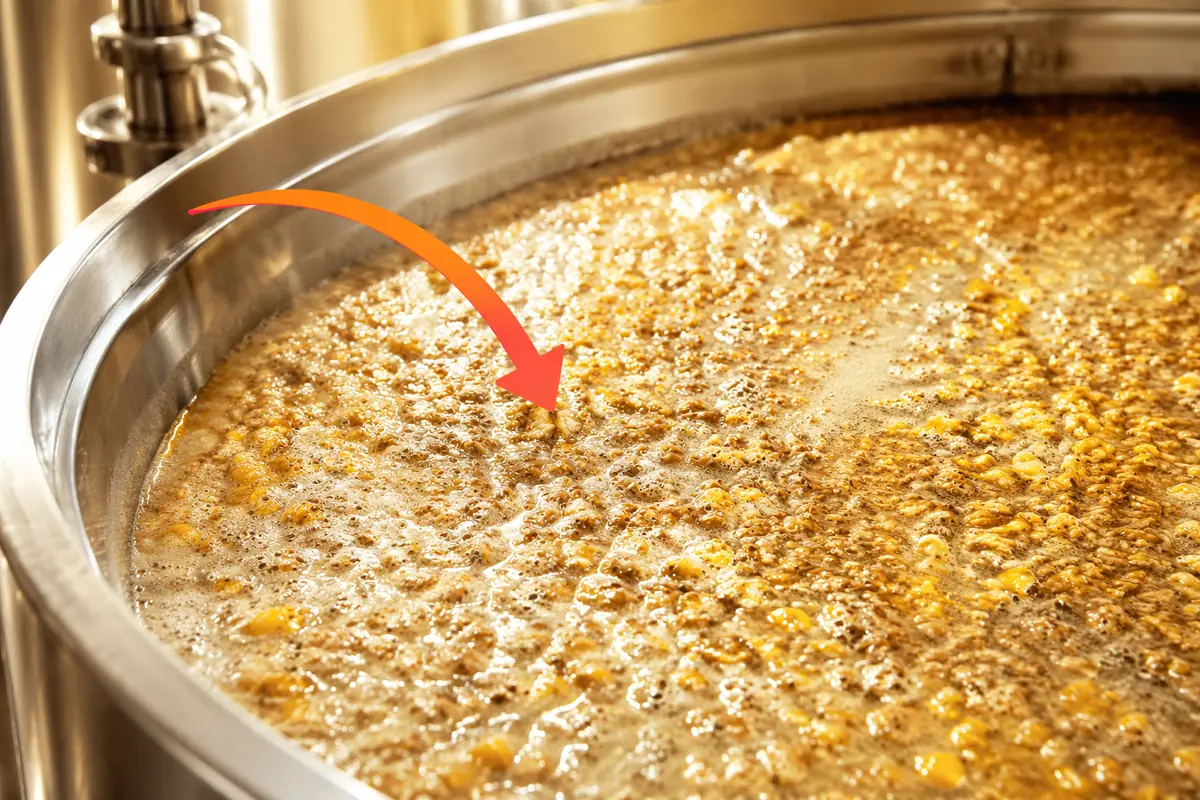
Yeast cannot ferment sugar alone. It needs assimilable nitrogen, and in a grain mash most of that nitrogen is bound inside protein the yeast cannot reach. When free amino nitrogen runs short, fermentations start slowly, stall in the last third, throw stress compounds and leave residual sugar that never becomes alcohol. Acid protease breaks mash protein down into peptides and amino acids that yeast can take up directly, and it does so at the low pH a fermentation already runs at, so nothing about the process has to change to accommodate it. That single property is why it belongs in the mash rather than upstream: it works where the mash already is, not where a neutral protease would need it to be. Industrial grades are made by submerged liquid fermentation of selected strains and go into grain-alcohol plants as well as animal-protein processing. Distillers use it across fuel ethanol, grain neutral spirit, whisky, baijiu and cane-based fermentations. We supply it in bulk, with samples available for trial fermentations before any volume commitment. Send your feedstock, annual volume and destination country to hello@mail.acidprotease.bio for a quote.
Fuel ethanol from corn and grain
Corn mash carries a large share of its nitrogen as zein and glutelin, which yeast cannot use. Adding acid protease at mash or fermentation raises the free amino nitrogen pool, which typically shortens lag phase and helps fermentations reach terminal gravity within the scheduled cycle instead of running long. Plants running tight tank turnarounds tend to notice the effect first as fewer slow tanks rather than as a single headline yield number.
Reducing or replacing purchased urea
Many fermentations buy in nitrogen as urea or ammonium salts. Protein already present in the grain is a nitrogen source the plant has paid for once and is not using. Releasing it enzymatically lets some sites cut supplemental nitrogen spend, and amino acid nitrogen is generally preferred by yeast over inorganic nitrogen for clean fermentation behaviour.
Whisky, baijiu and grain neutral spirit
In beverage distilling the goal is not only speed but flavour control. Steady proteolysis gives a more consistent amino acid profile going into fermentation, which supports repeatable congener development batch to batch. In baijiu production it is applied within the acidic solid-state and liquid fermentation regimes already in use.
Stuck and sluggish fermentations
A fermentation that consistently stalls near the end is often nitrogen-limited rather than yeast-limited. Because acid protease stays active in the pH range a stressed fermentation sits at, it can be trialled directly on the problem tanks before committing to a plant-wide change.
Groups that also brew vinegar or soy sauce
The acid protease grades used in alcohol plants are also specified for soy sauce and vinegar brewing. A group running both distilling and condiment lines can qualify one enzyme for both.
Distributors serving distilleries
Resellers of fermentation aids can carry acid protease next to the other enzymes and nutrients they supply to distilleries. Tell us your markets and annual volume; supply is quoted per order.
Frequently Asked Questions
What does acid protease actually do in a fermentation?
It cuts mash protein into peptides and free amino acids. Yeast can absorb those directly and use them to build its own proteins, so the culture grows faster and stays healthier through the fermentation.
Why use an acid protease rather than a neutral one?
A fermenting mash is acidic. Neutral proteases lose function as pH falls, so they act only briefly before the mash acidifies. An acid protease is chosen precisely because it keeps working under the conditions the process already runs at, which means you do not have to adjust pH for the enzyme's benefit.
What is free amino nitrogen and why does it matter?
Free amino nitrogen, usually shortened to FAN, is the portion of nitrogen present as amino acids and small peptides that yeast can actually assimilate. Total protein in a mash can look ample while FAN is still short, which is why fermentations can be nitrogen-starved in a protein-rich substrate.
Where in the process is it added?
Most sites dose at mash or at fill, so the enzyme has contact time while temperature and pH are favourable. The best point depends on your cook profile and tank schedule, and it is one of the things a trial is for.
Can we trial it before buying volume?
Yes. We supply samples for trial fermentations so you can measure the effect on your own substrate and cycle before committing to bulk. Tell us your feedstock and process and we will quote against it.
Wholesale acid protease for distilleries
For distilleries, fuel-ethanol plants and their distributors. Send the product grade, quantity, feedstock and destination country to hello@mail.acidprotease.bio and we will quote bulk supply.
Request a Quote